
Contents
- 🎵 Origins & History
- ⚙️ How It Works
- 📊 Key Facts & Numbers
- 👥 Key People & Organizations
- 🌍 Cultural Impact & Influence
- ⚡ Current State & Latest Developments
- 🤔 Controversies & Debates
- 🔮 Future Outlook & Predictions
- 💡 Practical Applications
- 📚 Related Topics & Deeper Reading
- Frequently Asked Questions
- References
- Related Topics
Overview
The concept of physical education has evolved significantly since its inception in the 19th century, with early proponents like Friedrich Ludwig Jahn advocating for physical training as a means of national strength. The focus has shifted from mere physical training to a comprehensive approach that includes gross motor skill development, emphasizing the importance of movement in childhood development. By the mid-20th century, the integration of play and structured activities became a cornerstone of PE curricula, recognizing the role of gross motor skills in overall child development.
⚙️ How It Works
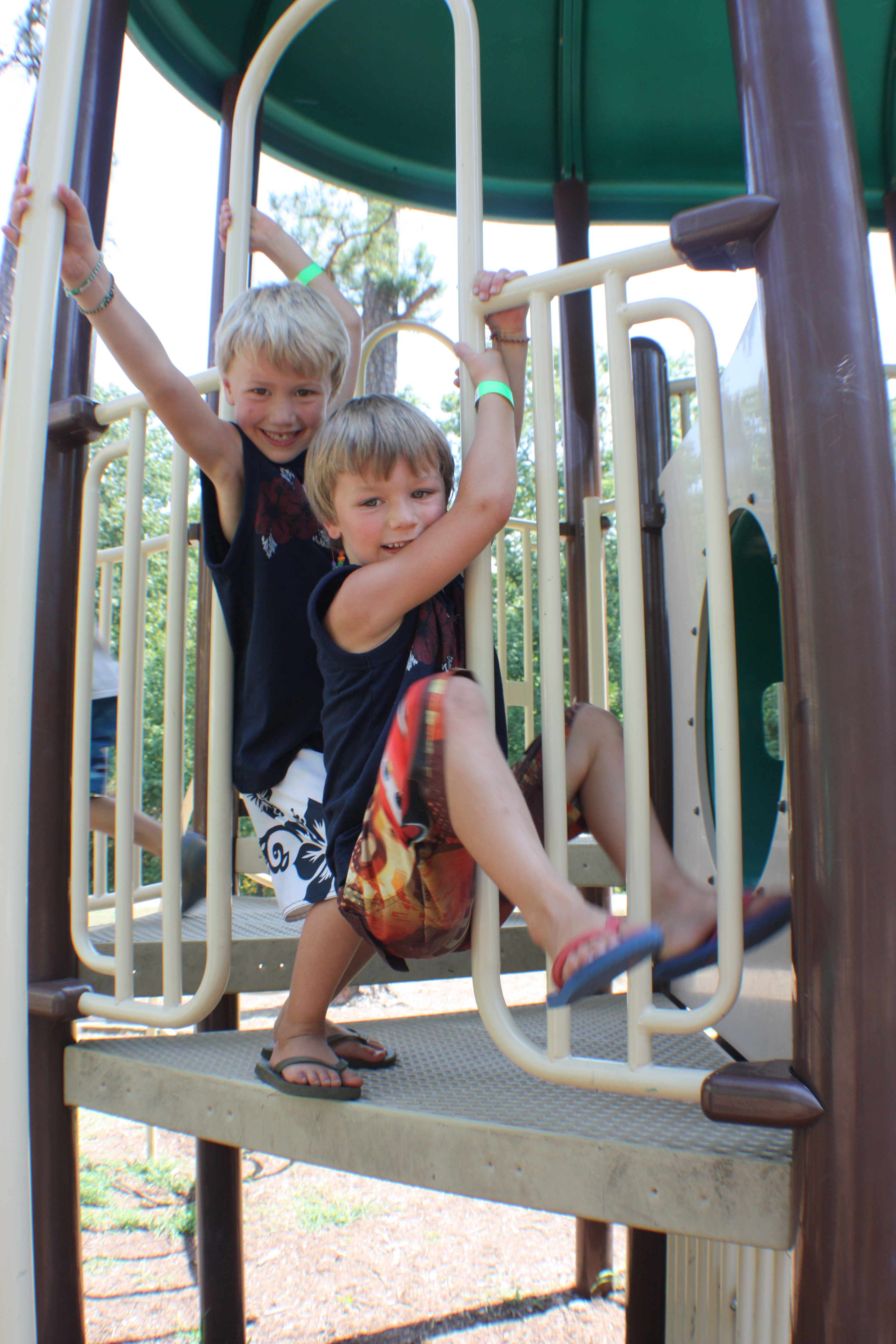
Gross motor skills are developed through a series of structured activities that engage large muscle groups. These skills include running, jumping, throwing, and climbing, which are foundational for more complex movements. In physical education settings, teachers implement various activities and games designed to enhance these skills. For instance, obstacle courses can improve balance and coordination, while team sports foster agility and teamwork. This structured approach ensures that children build upon their existing abilities, leading to more advanced skills over time.
📊 Key Facts & Numbers
Key figures in the development of physical education include Charles McCloy, who emphasized the importance of physical fitness in education, and L. William McCulloch, who contributed to the understanding of motor development. Organizations such as the National Association for Sport and Physical Education (NASPE) have played a significant role in advocating for quality physical education programs. Their guidelines emphasize the importance of gross motor skill development as a critical component of a well-rounded education, influencing curricula across the globe. Additionally, the work of researchers like David L. Gallahue has provided insights into motor development stages, shaping how educators approach physical education.
👥 Key People & Organizations
The cultural impact of physical education and gross motor skills is profound, influencing societal attitudes towards health and fitness. In many cultures, physical education is seen as a vital component of childhood development, promoting not only physical health but also social skills and teamwork. For example, countries like Finland have integrated outdoor play into their educational systems, reportedly resulting in children with superior gross motor skills and overall well-being. The rise of movements advocating for active lifestyles, such as Playworks, highlights the importance of play in developing gross motor skills and fostering a love for movement among children.
🌍 Cultural Impact & Influence
The COVID-19 pandemic has prompted a reevaluation of how physical education is delivered, with many schools adopting hybrid models that combine in-person and virtual activities to maintain engagement and skill development.
⚡ Current State & Latest Developments
Controversies surrounding physical education often center on its role in the academic curriculum. Critics argue that PE is frequently undervalued compared to core subjects like math and science, leading to reduced funding and resources. Proponents counter that physical education is essential for holistic development, linking physical activity to improved academic performance and mental health. Additionally, debates continue regarding the effectiveness of standardized testing in PE, with some educators advocating for alternative assessment methods that better capture students' motor skills and fitness levels.
🤔 Controversies & Debates
Looking ahead, the future of physical education and gross motor skills development is likely to be shaped by ongoing research and societal trends. Experts predict an increased focus on mental health and well-being in physical education programs, with physical education integrating mindfulness and emotional regulation alongside traditional physical activities. Additionally, the rise of virtual reality and gamification in PE may provide innovative ways to engage students and enhance motor skill development. As awareness of the importance of physical health grows, the demand for quality physical education programs that prioritize gross motor skills is expected to increase.
🔮 Future Outlook & Predictions
Physical education has numerous practical applications in various settings, including schools, community centers, and sports organizations. Effective PE programs incorporate activities that promote gross motor skills, such as running games, dance, and team sports. For instance, the SPARK program provides resources for educators to implement engaging physical activities that enhance motor skills while fostering social interaction. Additionally, adaptive physical education programs ensure that children with disabilities can participate fully, promoting inclusivity and skill development across diverse populations.
💡 Practical Applications
Related topics include Developmental Milestones in Childhood, Benefits of Outdoor Play, and Adaptive Equipment for Motor Skills. These areas provide further insight into the interconnectedness of physical education, gross motor skills, and overall child development.
Key Facts
- Year
- 2024
- Origin
- Global
- Category
- science
- Type
- concept
Frequently Asked Questions
What are gross motor skills and why are they important?
Gross motor skills are the abilities that involve the coordination of large muscle groups to perform movements such as running, jumping, and climbing. These skills are crucial for children's physical development and are typically acquired during early childhood.